
Franciacorta Method
Time is the ingredient you cannot see
The method for a Franciacorta DOCG
Every bottle of Franciacorta DOCG is born from a precise choice: to let time do its work.
The Franciacorta Method follows strict regulations that safeguard every stage of production: from the manual harvesting of the grapes to the long ageing on the lees. But even before the rules, it is a way of interpreting wine: with patience, care and respect for what nature offers.
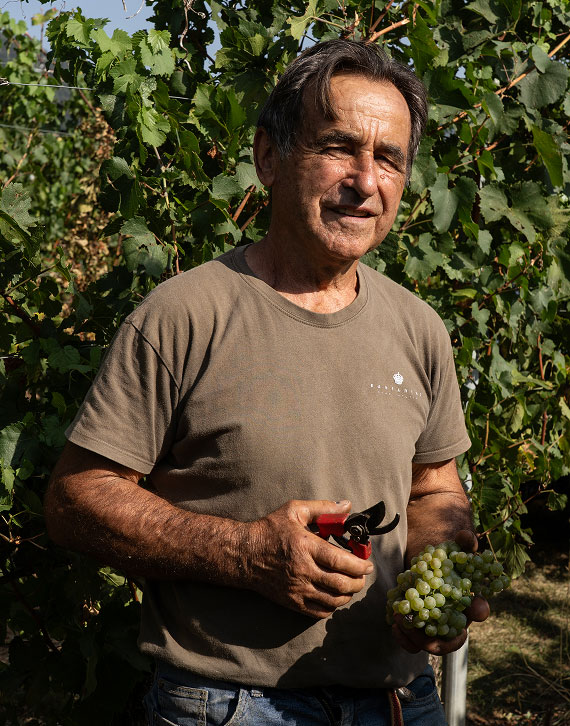
For us at Bonfadini, every step is part of a story that begins among the rows of vines and continues slowly in the cellar, until the moment when a bottle is uncorked and shared.
A method born in the vineyard
The character of a Franciacorta DOCG takes shape long before the cellar.
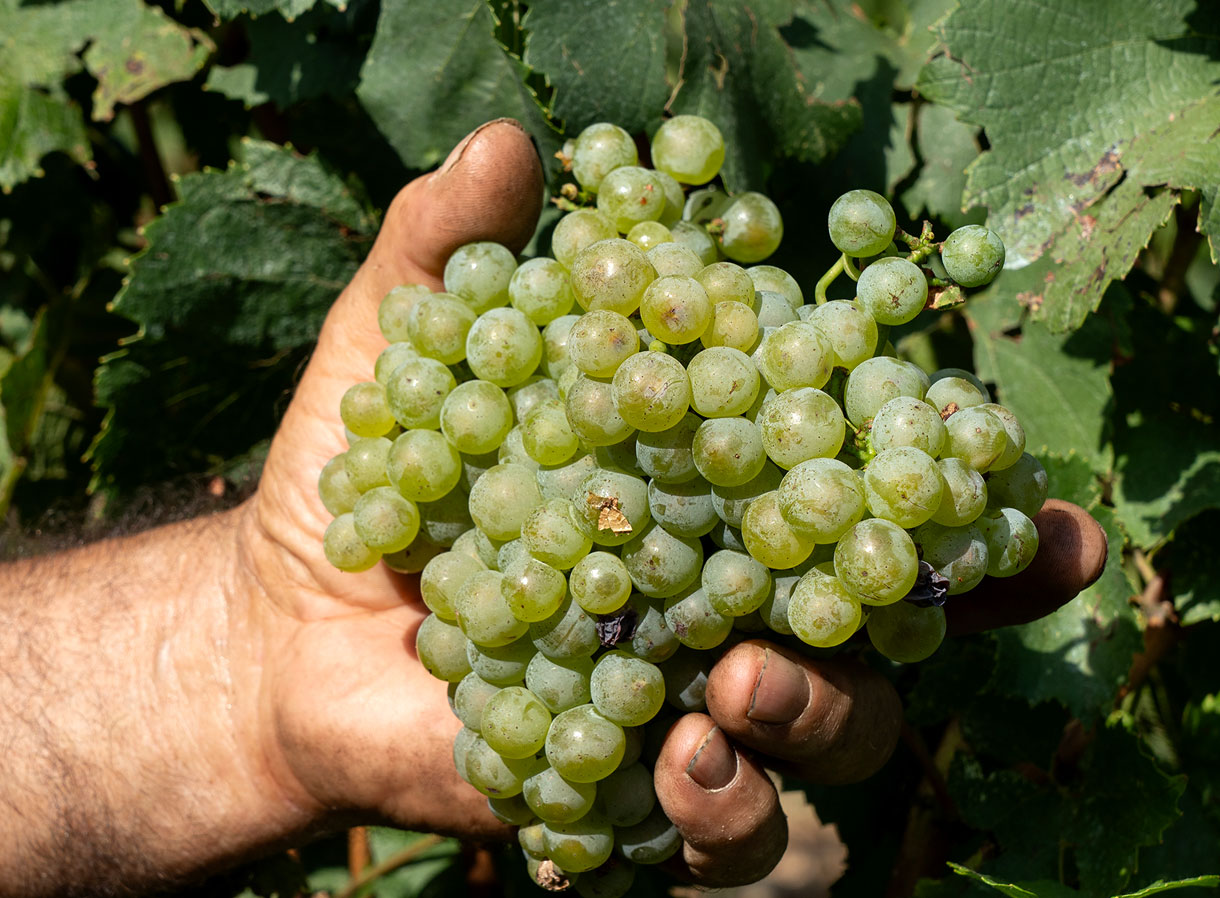
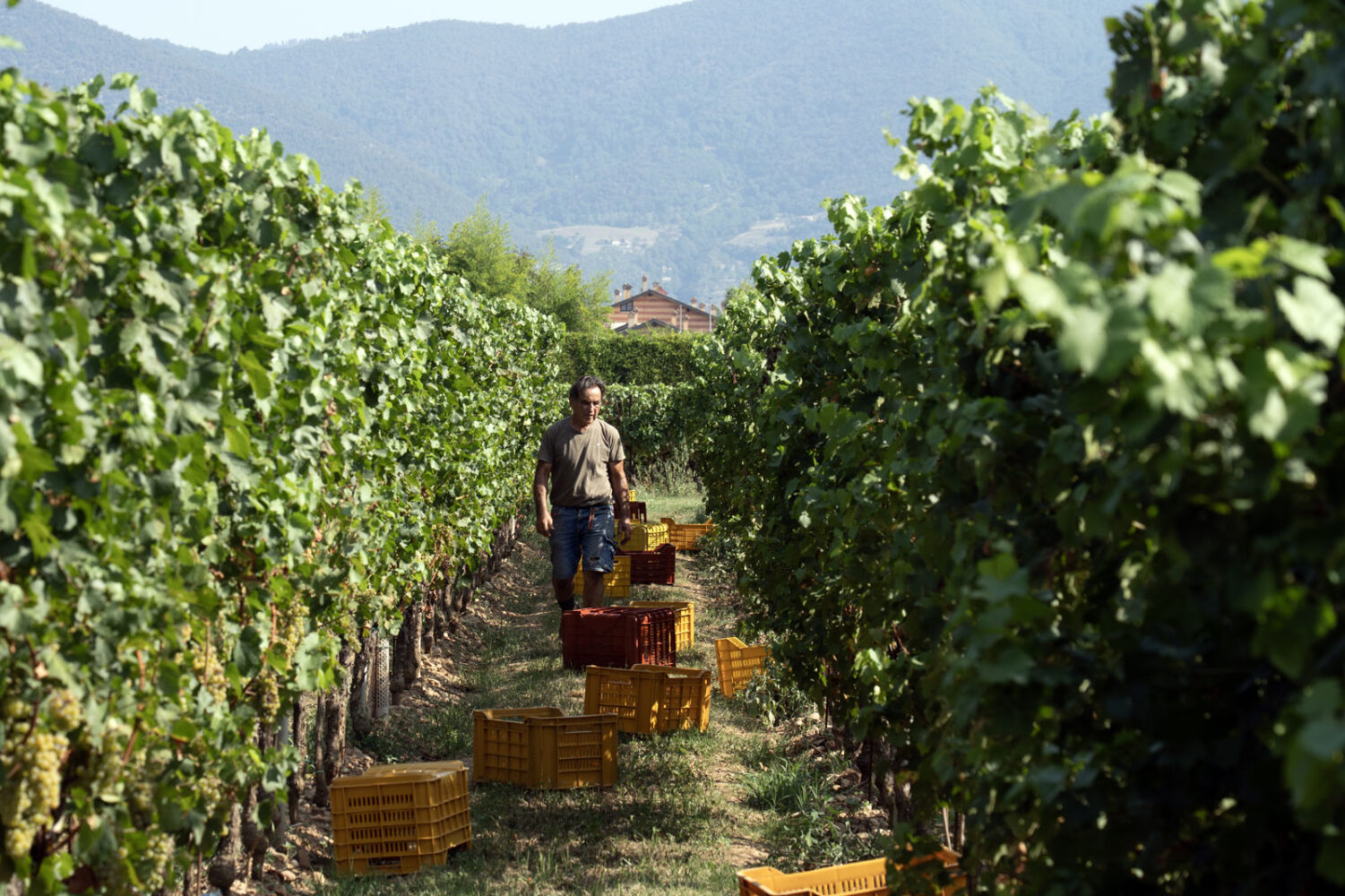
The harvest is carried out exclusively by hand, selecting the bunches when they have reached the right balance. It is a choice that requires care and time, but which allows the integrity of the grapes to be preserved and guides them in the best possible way towards pressing.
This is where the journey of each of our Franciacortas begins.
The first fermentation
In the Franciacorta method, every stage influences the final result.
The gentle pressing of the grapes produces 3 fractions of must, which ferment separately in stainless steel tanks or French oak barriques, transforming into the base wine. Each plot reveals different characteristics and each wine retains its own identity. For this reason, the vinifications are monitored separately: only at a later stage is it decided how to blend them, seeking balance, elegance and continuity of style in the final cuvée.
Small gestures that amplify the flavour
Not all wines follow the same path
Some base wines are left to evolve for longer through bâtonnage, a slow stirring of the fine lees that lends greater aromatic complexity and a more enveloping texture. It is one of those silent gestures that cannot be seen, but which make a difference in the glass.
The blend: the art of balance
Every Franciacorta is born from the meeting of different wines.
Blending is the moment when experience and sensitivity engage in dialogue with the work of nature: every choice helps define the wine’s profile, enhancing freshness, complexity and harmony. It is a balance that is not built in a day, but through listening to every harvest.
Bottle fermentation
This is the stage that makes a Franciacorta unique.
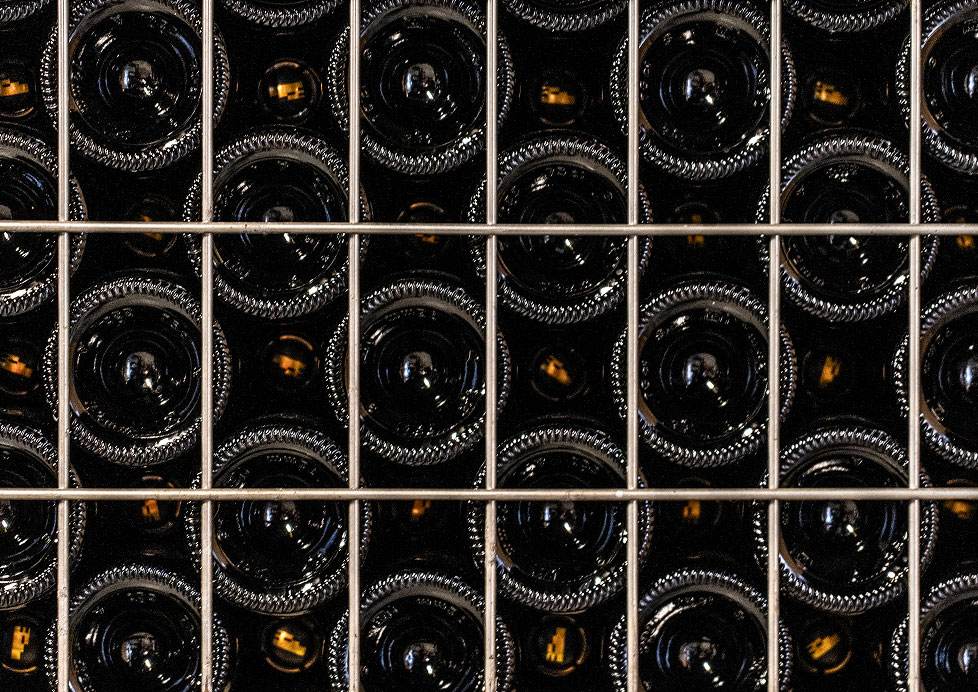
After the addition of the liqueur de tirage, each bottle is sealed and rests in the cellar. Here the second natural fermentation takes place: the yeasts transform the sugars into carbon dioxide, giving rise to a fine, persistent perlage. From this moment, the wine begins a new, much slower journey.
Remuage, disgorgement and dosage
The “shaking” of the wine
When ageing is complete, the bottles are gradually rotated so that the yeasts collect in the neck of the bottle.
During disgorgement, these sediments are removed and the wine is completed with the liqueur d’expédition, which helps define its style without ever altering its identity.
The encounter with wine
The Franciacorta Method reaches its fulfilment when the bottle is opened.
This is the moment when every choice, every wait and every gesture take shape in the glass. Tasting is not merely a sip, but a way to discover the character of a wine, the territory from which it originates and the story of those who produce it.
Every Franciacorta
tells a story
A rigorous method, a personal interpretation.
The Franciacorta regulations define the timescales, rules and quality standards shared by all the wineries in the appellation. What makes each bottle different is the way each producer interprets this journey.
At Bonfadini, the Franciacorta Method is above all a question of sensitivity. It means observing each harvest without forcing it, respecting its rhythm and accompanying it with discretion, so that the wine can authentically tell the story of the territory it comes from.
Curiosities about wine
The shaking
Remuage was once carried out by hand by an expert – the remueur – who, for weeks, rotated each bottle by 1/8 or 1/4 turn with a flick of the wrist on special wooden racks called pupitres. Hence the name “remuage” = shaking.
Corks as witnesses to quality
To protect the identity and quality of the product, the regulations governing the Franciacorta DOCG prescribe that the final mushroom-shaped cork must bear the word “Franciacorta” on its visible part.
Contact us to
REQUEST INFORMATION